Interview with Guillaume Passebecq, CEO of Necker Finance in Mauritius
Guillaume Passebecq reflects on his professional journey, the convictions that led him to join Necker Finance, and the strategic priorities shaping its future development.
Video
Published by Necker Finance
Company news
4 min 20 s
Following his appointment as CEO of Necker Finance in Mauritius, Guillaume Passebecq reflects on his professional journey, the convictions that led him to join Necker Finance, and the strategic priorities shaping its future development.
A conversation about his vision of wealth management, his commitment to independent advice, and the importance of building lasting relationships founded on trust.
Transcript
“We don’t sell products; we offer a bespoke, personalised approach. Each client is unique.”
Your career, and why Necker Finance?
I started my career in 1999 at BNP Paribas, in asset management, on a trading floor. I remember it very well because it was the beginning of the surge in technology stocks, which, as everyone knows, ended in a massive crash from March 2000. That period was very enriching for me.
I was then posted to Luxembourg in 2007, still with BNP Paribas. I had always worked in asset management before moving to Mauritius to work in private banking, and I recently joined Necker Finance.
So, why Necker Finance? My background is rooted in asset management, portfolio management and an international outlook, the international approach we can bring to all our clients. I found that same approach at Necker Finance: we are based in Mauritius, and we can rely on Necker Finance’s Swiss entity, which provides very important support for all our clients.
How can the wealth management offering be strengthened?
We don’t sell products; we offer a bespoke, personalised approach. Each client is unique.
Today, Necker Finance is very well positioned to reach and support local and expatriate clients, as well as investment funds and institutional clients. Everything is now in place. Perhaps my role will be to make even greater use of the capabilities and resources available, particularly in Switzerland through Necker Finance’s Swiss entity, as well as our partnerships with asset management firms in Paris.
Which investment strategy is underrated?
Advances in technology are affecting every sector, perhaps even more so finance. Many start-ups now offer financial advice, including automated advice. Nevertheless, the personal touch and truly understanding what our clients expect make the difference. In my view, robo-advisers cannot truly replace us.
In fact, we see this more and more: despite the overwhelming amount of information available, clients look to us to simplify things. Explaining things simply is what they are looking for, and it is not necessarily what the many start-ups emerging today offer.
That said, we do use technological advances in the way we manage our portfolios. We are also making wealth management accessible to a wider audience.
And today I have some very good news to share with you first: we have decided to make our All Weather investment mandate available. It is an ETF-based mandate, managed for the past four years, that has delivered an average annualised return of 7%.
Annualised performance since launch: 7.02%. Aurora All Weather strategy, managed by Aurora Investment Solutions. Data at 31 August 2026, net of fees, in US dollars. Past performance is not a guide to future performance. The value of investments can go down as well as up and invested capital is not guaranteed. The All Weather mandate
The mandate invests through ETFs in equities, bonds, commodities and even gold. Depending on the market cycle, it adjusts its allocation across these asset classes.
The mandate is now available from USD 5,000. I repeat: USD 5,000. It is an important innovation, and we are proud to offer it to all Mauritian clients.
What principles will guide Necker Finance under your leadership?
As I mentioned, at the beginning of my career I witnessed the bursting of the dot-com bubble. Diversification must always be kept in mind. I think that, whatever the timing or the market conditions, our role is of course to preserve our clients’ assets, and to do that, a diversification strategy is always important. Beyond allocations to equities, bonds and other asset classes, we also tend to look at cycles, the broader cycles, so that we can adapt our clients’ portfolios.
Further reading
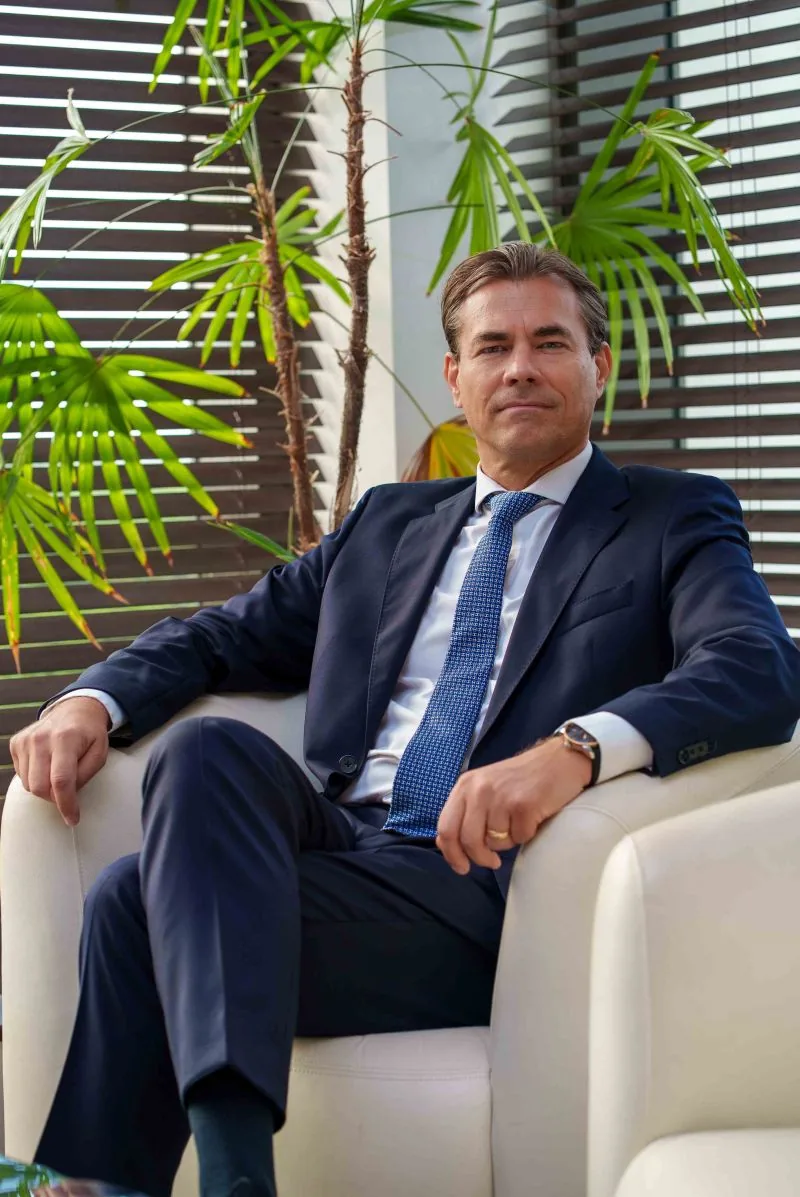
Guillaume Passebecq appointed CEO of Necker Finance Mauritius
Necker Finance Mauritius appoints Guillaume Passebecq, a private banking leader with more than thirty years of experience, as Chief Executive Officer.
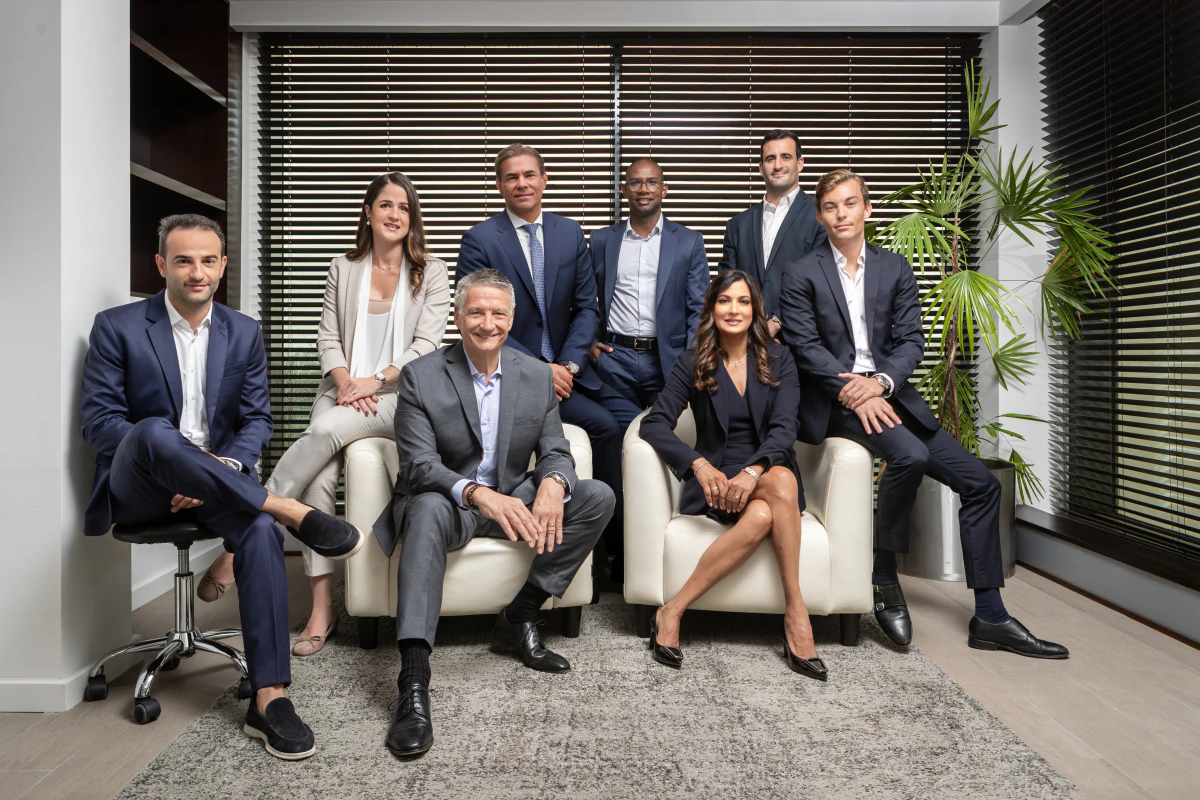
Lac Leman joins Necker Finance Mauritius
Necker Finance Mauritius now holds the entire share capital of Lac Leman Investment Management Ltd, completing a step that began with a minority interest a year earlier.